
On 28 October 2026, Prof. Gunho Sohn presented at the K-SSA SpaceOWL Workshop, held at the Sheraton Jeju. The workshop brought together the teams working on the space-based segment of the Korea Space Situational Awareness (K-SSA) Program, led by the Korea Astronomy and Space Science Institute (KASI).
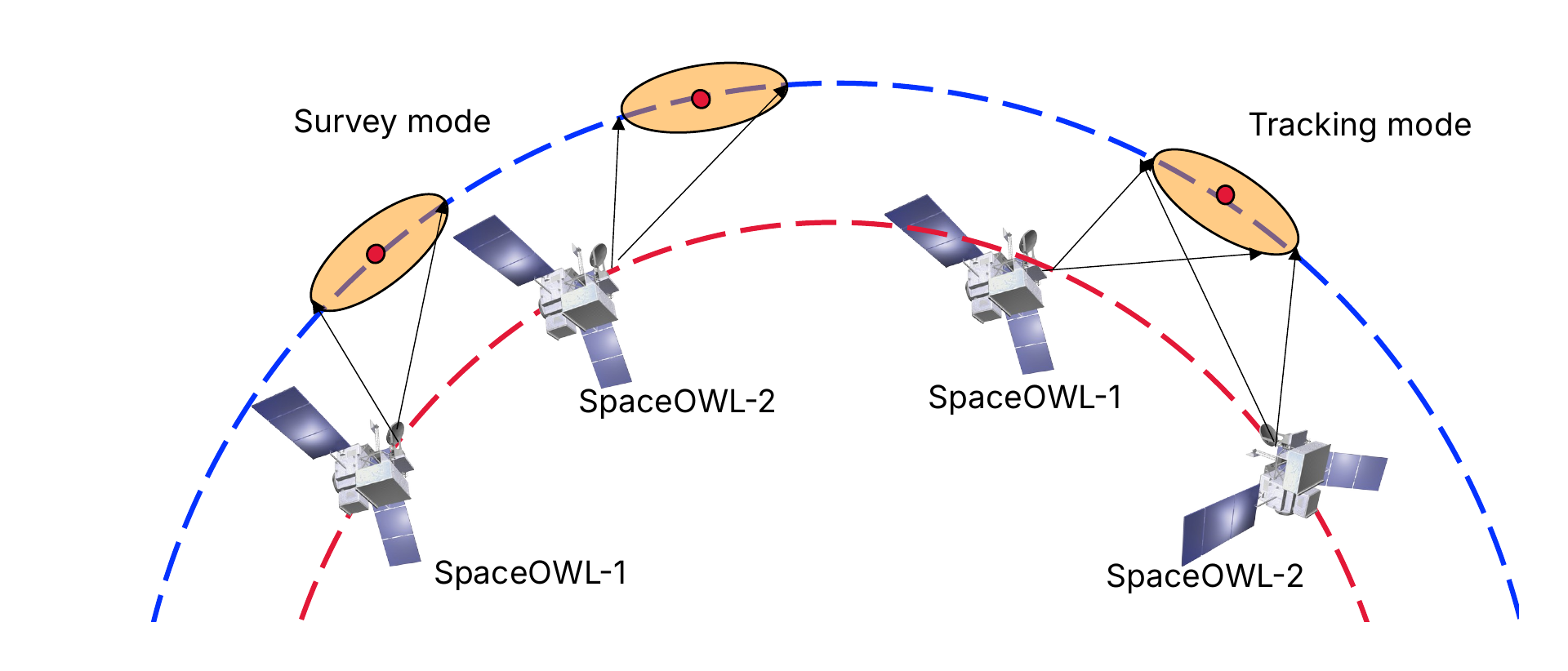
His talk, “AI-Based SpaceOWL RSO Data Processing,” introduced York University’s part of the program: building the AI that finds resident space objects — satellites and debris — in images from KASI’s two SpaceOWL satellites, and follows each one from frame to frame. These tracks are the first links in the chain that leads to orbit prediction, collision-risk analysis and avoidance.
Build, Fly, Adapt
Prof. Sohn laid out the 48-month plan in three stages. From 2026 to 2028 the team will build a physics-based simulator, training data and detection and tracking models. In 2029 the models will be frozen and integrated with the ground system to fly with SpaceOWL-1. In 2030 they will adapt, learning from the first real images sent down from orbit.
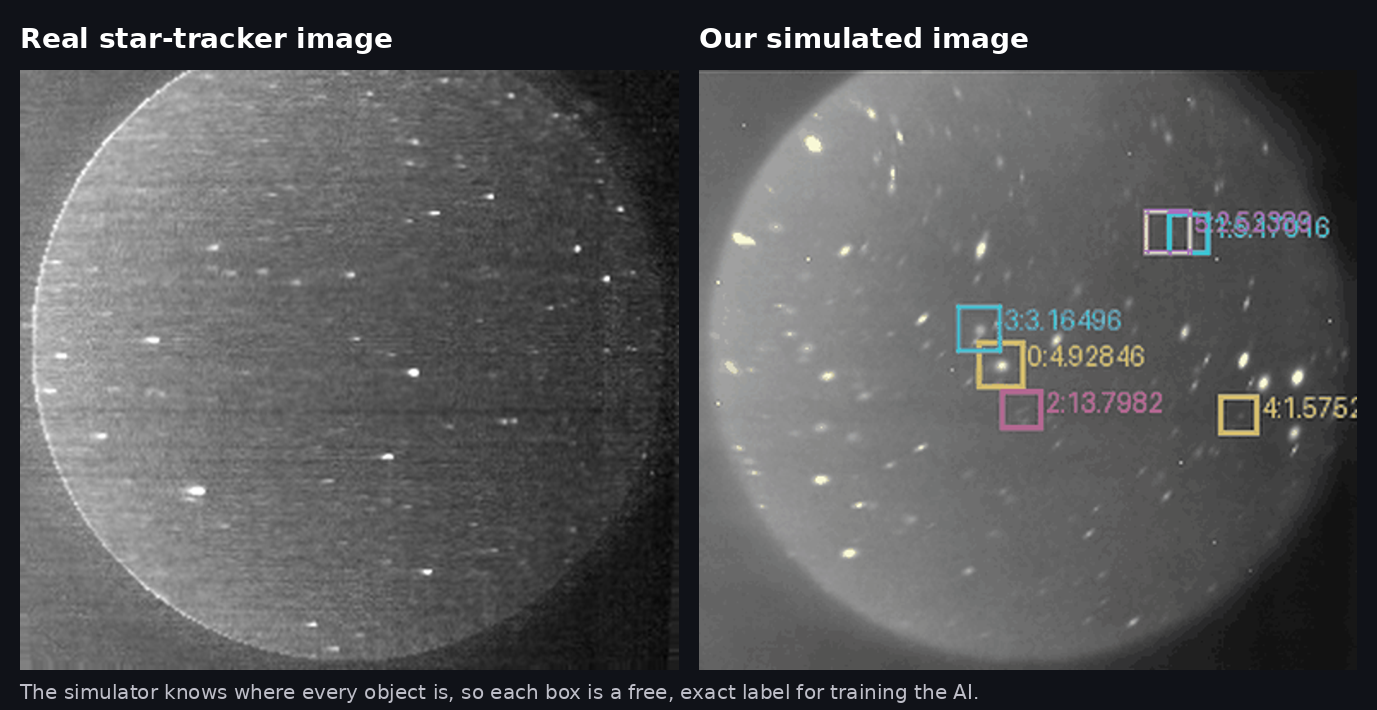
He showed that the team is already well prepared. It holds three kinds of images: real images taken in orbit (the DUST benchmark from the CASSIOPE satellite), images from star-tracker cameras flown to the stratosphere on Canadian Space Agency balloons, and synthetic images from its own simulator. Because the simulator knows exactly where every object is, each synthetic image comes with perfect labels for training.
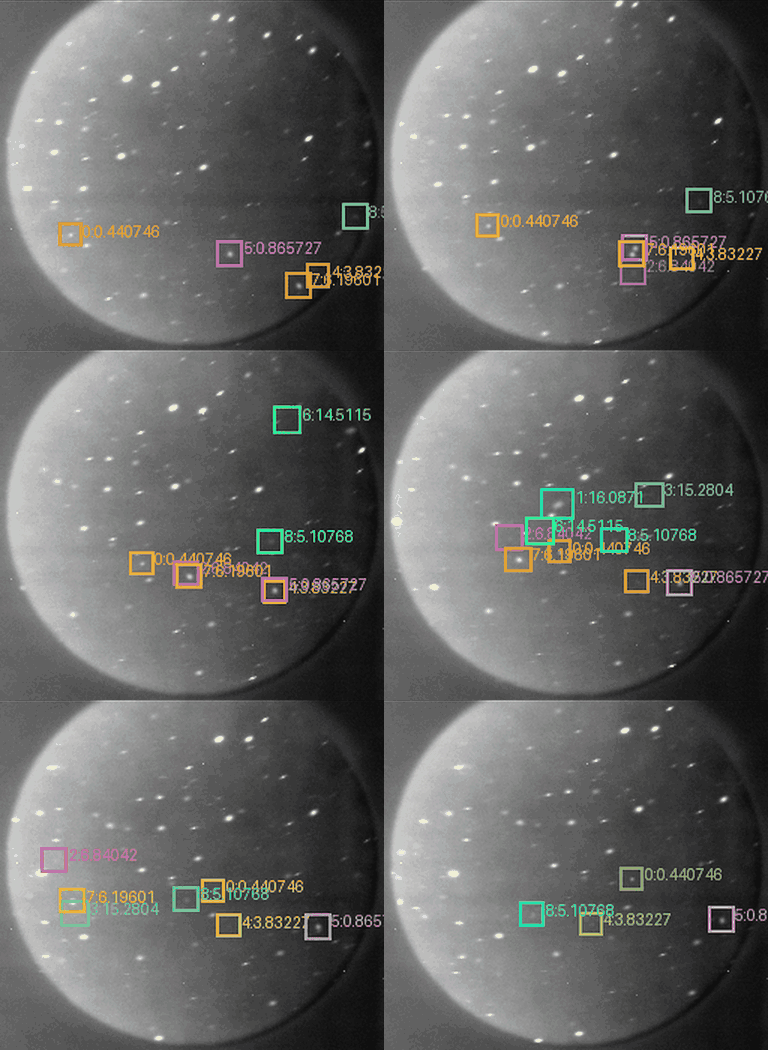
Early tests on real images taken in orbit are encouraging. Training first on synthetic video helps the network find more faint objects, a key step toward an AI that is ready before launch. The hardest remaining cases — very small objects, slow movers and objects near bright stars — will be the focus of the coming years.
Thanks to the students
Prof. Sohn closed by thanking the graduate students at York whose work made these results possible, and by inviting close collaboration with KASI and its partners as the project begins.
Read more about the K-SSA project → York wins the KASI contract →